
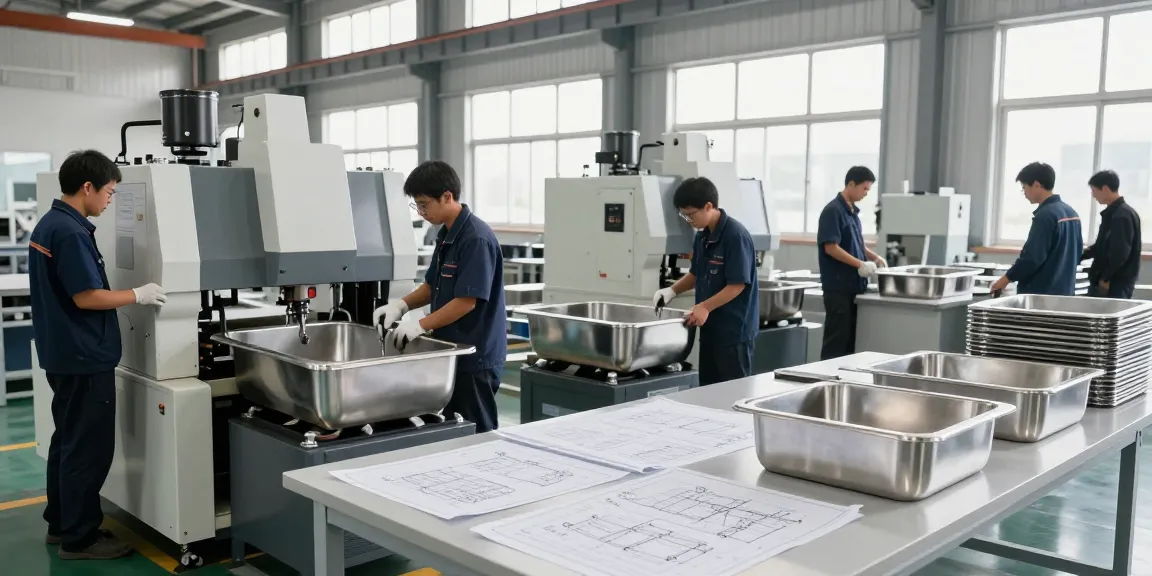

Understanding the Stainless Steel Basin Manufacturing Process
Manufacturing stainless steel basins is a sophisticated process that combines science and artistry to produce durable and aesthetically pleasing products. The journey from raw materials to the final product involves a series of precise steps, ensuring that every basin meets the highest standards of quality and performance. When exploring options, stainless steel basin factory facilities often prioritize innovative techniques and state-of-the-art technologies to deliver exceptional results in their offerings.
Overview of Production Techniques
The production of stainless steel basins typically begins with the selection of high-grade stainless steel, often 304 or 316 grades, which are known for their resistance to corrosion and staining. Key techniques employed in the manufacturing process include:
- Sheet Metal Fabrication: This involves cutting, bending, and shaping stainless steel sheets into the desired basin form.
- Welding: Different components of the basin are joined together through various welding techniques to ensure structural integrity.
- Polishing: The surfaces are polished to achieve a smooth finish, enhancing both aesthetic appeal and resistance to dirt accumulation.
- Quality Assurance: Products undergo rigorous quality checks to ensure they meet industry standards before leaving the factory floor.
Materials Used in Stainless Steel Basin Construction
Beyond stainless steel, various materials and additives are used to enhance the properties of the basins. These may include:
- Nickel: Improves corrosion resistance and enhances the strength of the steel.
- Chrome: Adds a layer of protection and contributes to the shiny appearance that stainless steel is renowned for.
- Additional Alloys: Some manufacturers may introduce other alloys to improve specific characteristics such as heat resistance or flexibility.
Quality Control Measures in Factories
Quality control is a non-negotiable aspect of manufacturing stainless steel basins. Factories implement strict protocols, including:
- In-Process Inspections: Regular checks during production to ensure adherence to specifications.
- Final Product Testing: Each finished basin is tested for durability, corrosion resistance, and overall performance.
- Customer Feedback: Incorporating customer feedback into the quality improvement process ensures products meet market demands.
Best Practices for Sustainable Manufacturing
The manufacturing industry faces increasing pressure to adopt sustainable practices. In the context of stainless steel basin production, this includes minimizing environmental impact while maintaining efficiency and quality.
Reducing Waste in Basin Production
Effective waste management strategies are paramount. Factories can implement measures such as:
- Material Optimization: Using advanced software to accurately calculate material needs, reducing excess.
- Recycling Programs: Implementing programs to recycle scrap metal and other materials generated during production.
- Lean Manufacturing: Adopting lean principles to streamline processes and minimize waste.
Energy Efficiency Strategies for Factories
Factories can also focus on energy efficiency to reduce their carbon footprint:
- Energy Audits: Regular audits to identify areas where energy consumption can be reduced.
- Investing in Renewable Energy: Utilizing solar panels and other renewable energy sources to power manufacturing processes.
Implementing Sustainable Materials in Design
Incorporating sustainable materials into the design of stainless steel basins can enhance their appeal:
- Recycled Materials: Using recycled stainless steel to produce new basins.
- Eco-friendly Coatings: Applying eco-friendly finishes that do not harm the environment.
Innovations in Basin Design and Production
The stainless steel basin manufacturing industry is continuously evolving, driven by technological advancements and consumer preferences.
Emerging Technologies Shaping the Industry
Technology is a game-changer in the manufacturing sector. Notable innovations include:
- 3D Printing: Allowing for rapid prototyping and the ability to create custom designs with precision.
- Smart Manufacturing: Implementing IoT devices for real-time monitoring of production processes.
Custom Design Trends in Stainless Steel Basins
Consumers are increasingly looking for unique and customizable options. Factories are responding by offering:
- Personalized Sizes and Shapes: Custom basins that fit specific spaces and design preferences.
- Finishes and Colors: Various finishes, including brushed, mirror, and matte, to complement kitchen and bathroom aesthetics.
Impact of Automation on Production Efficiency
Automation has streamlined many processes within the factory environment, leading to:
- Increased Output: Automation allows for higher production rates with consistent quality.
- Reduced Labor Costs: Minimizing the need for manual labor can lower overall production costs.
Market Opportunities and Challenges
As the market for stainless steel basins grows, manufacturers must navigate various challenges and identify opportunities for growth.
Identifying Target Markets for Stainless Steel Basins
Understanding the demographics of potential customers is crucial:
- Residential Market: Homeowners looking for durable kitchen and bathroom solutions.
- Commercial Sector: Restaurants and hotels requiring high-quality, sanitary installations.
Navigating Regulatory Requirements in Manufacturing
Manufacturers must comply with various regulations regarding:
- Health and Safety: Ensuring the safety of workers and consumers.
- Environmental Standards: Complying with regulations aimed at reducing environmental impact.
Competitive Analysis of Leading Manufacturers
Staying competitive means keeping an eye on industry leaders. Benchmarking against competitors can reveal:
- Best Practices: Learning from the successes and failures of other manufacturers.
- Market Trends: Keeping abreast of shifting consumer preferences and technological advancements.
Future Trends in Stainless Steel Basin Manufacturing
Looking ahead, several trends are expected to shape the stainless steel basin manufacturing landscape.
Anticipated Developments for 2026 and Beyond
With technology and consumer preferences evolving, the industry may see:
- Increased Use of Automation: Further embrace of automated technologies to enhance efficiency.
- Smart Features: Integration of smart technology into products for improved functionality.
Consumer Preferences Influencing Design
As consumer preferences shift, manufacturers should prioritize:
- Functionality: The demand for innovative designs that enhance usability.
- Aesthetic Appeal: Striking a balance between practicality and visual appeal in design.
Role of Eco-Friendly Practices in Growth
Eco-friendly initiatives will play an essential role in the future of the industry. This includes:
- Green Certifications: Gaining certifications that emphasize sustainability efforts can attract eco-conscious consumers.
- Marketing Sustainability: Highlighting environmentally friendly practices in marketing efforts can differentiate brands.
What are the benefits of using stainless steel basins?
Stainless steel basins offer numerous advantages, including durability, resistance to corrosion, and aesthetic appeal. They are easy to clean and maintain, making them a popular choice for both residential and commercial applications.
How to choose a reliable stainless steel basin factory?
When selecting a manufacturer, consider factors such as production capabilities, adherence to quality standards, customer reviews, and sustainability practices. Engaging with manufacturers who prioritize quality assurance is essential.
What innovations are emerging in stainless steel manufacturing?
Emerging trends include the use of 3D printing for custom designs, automation for increased efficiency, and the integration of smart technology into products, providing consumers with more functional solutions.
How do sustainability practices impact production costs?
While implementing sustainable practices may require upfront investment, they often lead to long-term savings through reduced waste, energy efficiency, and increased consumer demand for eco-friendly products.
What are the key features of a high-quality stainless steel basin?
Key features include high-grade material, precise construction, excellent finishing, and effective noise reduction technology. A high-quality basin should also be designed for easy maintenance and durability.