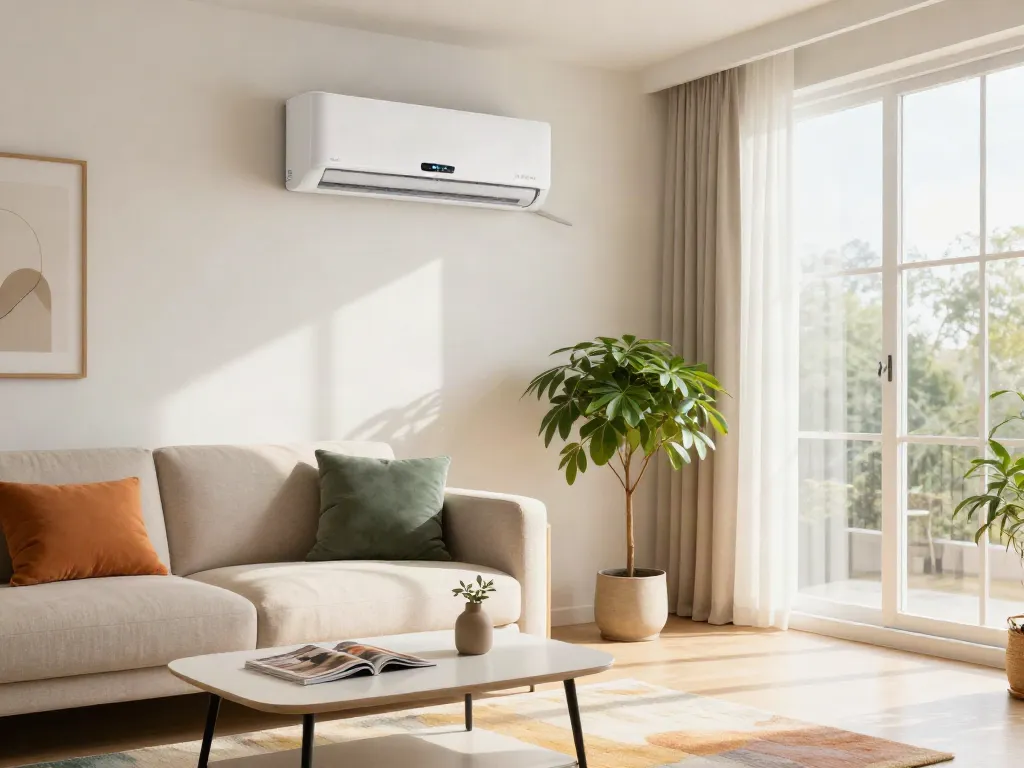
Understanding Mini Split AC Systems
The evolution of air conditioning has brought us to a point where efficiency, versatility, and design coalesce in an innovative solution: the mini split AC system. These systems have gained immense popularity due to their ability to provide targeted cooling and heating, making them suitable for various applications ranging from residential homes to commercial spaces. With their sleek design and the flexibility of installation, mini split AC units are transforming how we think about climate control. When exploring options, mini split ac systems offer comprehensive insights into modern air conditioning solutions, empowering homeowners and business owners alike.
What is a Mini Split AC?
A mini split AC, also known as a ductless air conditioning system, consists of two main components: an indoor unit and an outdoor compressor. Unlike traditional central air systems that rely on ductwork, mini splits operate without ducts, allowing for a more flexible installation process. This makes them ideal for homes with limited space for ductwork or for retrofitting in older buildings where adding ducts would be challenging.
These systems come in various capacities, typically ranging from 9,000 to 36,000 BTUs, to cater to different room sizes and cooling requirements. The indoor unit is responsible for distributing the conditioned air within the space, while the outdoor unit manages the refrigerant and expels heat or cool air outside.
Benefits of Mini Split Cooling Systems
Mini split AC systems provide numerous benefits, making them a preferred choice for many homeowners:
- Energy Efficiency: Mini splits often boast high SEER (Seasonal Energy Efficiency Ratio) ratings, leading to lower energy bills compared to traditional systems.
- Flexible Installation: The absence of ducts allows for easier placement in various configurations, including wall-mounted, ceiling-mounted, or floor-standing options.
- Zoning Capability: Many mini split systems can operate as multi-zone setups, allowing you to cool different areas independently.
- Improved Air Quality: With filters that can be cleaned or replaced, mini splits help maintain better indoor air quality compared to systems with extensive ductwork.
How Mini Split AC Works
Mini split AC systems operate based on the refrigeration cycle, which involves the absorption and removal of heat from the indoor space. The process begins when the indoor unit evaporates refrigerant, absorbing heat from the air, which cools the indoor environment. The refrigerant is then compressed in the outdoor unit, which expels the absorbed heat outside. This cycle continues until the desired temperature is achieved.
Additionally, many mini split systems come equipped with a heat pump feature, allowing them to reverse the refrigeration cycle, providing heating in colder months. This dual functionality enhances their appeal, especially in regions with varying climate conditions.
Key Features of Mini Split AC Units
Energy Efficiency Ratings
When selecting a mini split AC, energy efficiency ratings are essential indicators of performance. Look for units with high SEER ratings, as these signal better energy savings and lower operational costs. Energy Star certified models ensure adherence to strict energy efficiency guidelines, providing reassurance that the unit will operate economically.
Noise Levels and Operation
One of the advantages of mini splits is their quiet operation. The noise levels of indoor units typically range between 19 to 55 decibels, which is comparable to a whisper. This feature makes mini split AC systems ideal for bedrooms, libraries, and offices where noise can be a distraction.
Design Considerations for Home Integration
Many homeowners appreciate the aesthetic flexibility mini split systems offer. With several design options, including slim profiles and varying colors, these units can blend seamlessly into your home’s decor. Additionally, their compact size allows for installation in tight spaces that conventional systems may find challenging.
Choosing the Right Mini Split AC for Your Space
Calculating BTU Requirements
Choosing the correct BTU (British Thermal Unit) capacity for your mini split AC is crucial. Under-sizing can lead to inadequate cooling, while over-sizing can result in unnecessary energy consumption and increased wear on the unit. To calculate the required BTUs, consider factors such as:
- Room size (square footage)
- Ceiling height
- Number of windows and insulation quality
- Local climate and sun exposure
Single Zone vs Multi-Zone Systems
Single zone mini split systems are ideal for cooling or heating individual rooms, while multi-zone systems allow you to control the temperature in different areas of a home or building. Multi-zone configurations can significantly enhance comfort levels and energy efficiency, as each zone can be tailored to specific needs.
Brand Comparisons and Recommendations
There are several reputable manufacturers of mini split systems, each offering unique features and performance standards. Brands like Mitsubishi, Daikin, and LG are known for their reliability and efficiency. When comparing models, consider factors such as warranty options, maintenance requirements, and customer service reputation.
Installation Best Practices for Mini Split AC
Pre-Installation Planning and Site Assessment
Before installing a mini split AC, conduct a thorough site assessment. Evaluate the layout of the space, identify possible installation locations for indoor and outdoor units, and check for electrical requirements. Proper planning ensures optimal performance and efficiency post-installation.
Step-by-Step Installation Guide
While some homeowners choose to install mini splits themselves, professional installation is often recommended. Here’s a brief overview of the installation steps:
- Mount the indoor unit on a suitable wall, ensuring adequate clearance for air circulation.
- Install the outdoor unit on a stable platform or bracket, away from debris and high-traffic areas.
- Connect the indoor and outdoor units with refrigerant lines and electrical wiring.
- Test the system for proper operation before finalizing the installation.
Common Installation Mistakes to Avoid
To ensure the longevity and performance of your mini split AC, avoid these common installation mistakes:
- Inadequate clearance around the indoor and outdoor units
- Incorrect refrigerant line sizing
- Neglecting local building regulations and permit requirements
- Failure to properly insulate refrigerant lines
Maintenance and Troubleshooting of Mini Split AC Systems
Regular Maintenance Tips for Longevity
To keep your mini split AC running efficiently, adhere to a regular maintenance schedule that includes:
- Cleaning or replacing filters every one to three months
- Inspecting and cleaning the outdoor unit to prevent debris accumulation
- Scheduling an annual professional inspection to ensure all components are functioning optimally
Troubleshooting Common Issues
Common issues with mini split AC systems may include:
- Inadequate cooling or heating
- Unusual noises from the units
- Frequent cycling or failure to turn on
Identifying the symptoms early can help prevent more severe issues and costly repairs.
When to Call a Professional for Repairs
If troubleshooting doesn't resolve the issue, it's essential to contact a licensed HVAC technician. Signs that professional assistance is needed include persistent error codes, refrigerant leaks, or electrical failures. Regular professional maintenance can also help prolong the life of the unit.
What is the average cost of installing a mini split AC?
The average cost of installing a mini split AC system can vary significantly based on factors such as the number of zones, the unit's capacity, and local labor rates. Generally, you can expect to pay between $2,000 to $5,000 for a typical residential installation, including equipment and labor.
How energy-efficient are mini split AC systems?
Mini split AC systems are known for their energy efficiency, often boasting SEER ratings of 20 or higher. This level of efficiency can lead to substantial savings on energy bills, especially compared to traditional central air conditioning systems.
Can mini split AC units heat as well as cool?
Yes, many mini split systems are equipped with heat pump technology, allowing them to provide both heating and cooling. This dual functionality makes them an excellent investment for year-round comfort.
What size mini split AC do I need for my room?
To determine the appropriate size for your mini split AC, use the BTU calculation method discussed earlier. A professional HVAC technician can also help assess your specific needs and recommend the right unit size.
Are mini split AC units noisy?
Mini split AC systems are generally quieter than traditional air conditioning units, with indoor units typically operating at noise levels comparable to a whisper. However, noise levels may vary by model and installation.